What happens if you get charged with weapon assault in Alberta?
June 29, 2026
If you are facing assault charges involving a deadly weapon, we understand it can feel overwhelming and uncertain.You do not have to go through this alone. Learning how the legal process works can help you feel more in control and less unsure about what comes next. This guide explains the legal process in Alberta in clear, professional terms, so you can move forward with confidence. 
What Are Assault Charges with a Deadly Weapon?
These charges apply when someone uses, carries, or threatens another person with a weapon during an assault.In Alberta, a weapon is not just a gun. It can be any object used to cause harm or fear, including everyday items.Because a weapon is involved, the law treats this as more serious than a simple assault, with stronger penalties.What Does the Law Say (Section 267)
This charge can feel serious and stressful, but understanding it can help you ease your anxiety.Canada’s criminal law states two types of assaults. A simple assault involves using just force or making threats without the involvement of a weapon. Under Section 267, the law treats the situation more seriously when any object is involved and used to harm or even threaten someone. Note that a weapon can be any object, not just a gun.Your First Steps in the Criminal Justice Process
The Criminal Justice process can feel confusing and overwhelming at first, and that is completely understandable.It usually starts with an arrest, followed by a bail hearing to decide if you can go home. If you are released, you will receive documents like a Promise to Appear or an Undertaking. These papers include your court dates and the rules you must follow. It may feel like a lot, but keeping these documents safe and organized is a simple first step to stay on track.How the Prosecutor Looks at This Charge
This part can feel uncertain, but knowing how it works can help you feel more prepared.For an assault with a weapon charge, the prosecutor decides how serious the case will be. It can be treated as a less serious charge or a more serious one. This choice affects what happens next and the possible penalties.A lawyer will work to have the charge treated as less serious, which can lead to lighter outcomes and help protect your future.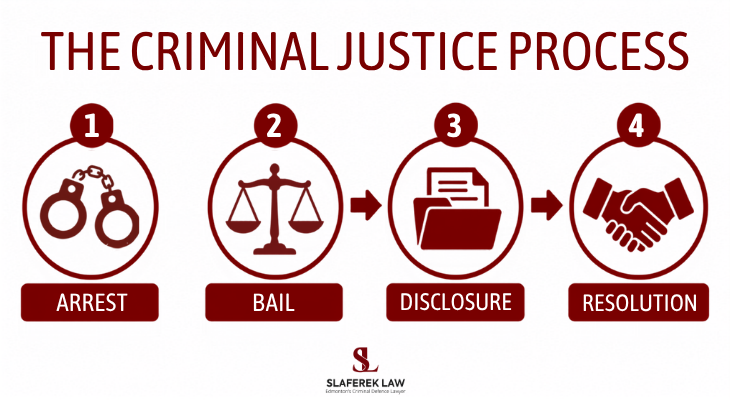
What Happens During the Disclosure Phase?
This step can feel stressful, but it is an important part of your defence.Disclosure is when the prosecution shares all the evidence with you. This can include police notes, witness statements, and photos.It is important to remember that a charge is not a conviction. Evidence can have gaps or errors. This stage gives you and your lawyer a chance to review everything carefully and plan your next steps.Common Defences for an Assault Charge
Facing this kind of charge can feel overwhelming, but there are ways to defend your case.- Self-Defence: You acted only to protect yourself or your family.
- No Intent: You didn’t actually mean to use the object as a weapon.
- Rights Violations: The police made errors or broke rules during your arrest.