What Makes Contractor Fraud Investigations Different From Other Fraud Cases?
July 9, 2026
Construction projects rarely move in perfect straight lines. Timelines shift. Material costs change. Payments get delayed. Disagreements happen. In Alberta, some of those disputes eventually turn into criminal investigations.That is where contractor fraud cases become legally complicated.Unlike many other fraud allegations, contractor fraud investigations often involve real business relationships, signed contracts, changing project scopes, and large volumes of communication records. Investigators must determine whether the situation involves criminal intent or a business dispute that escalated.For people facing these allegations, understanding how these investigations work matters early. Speaking with a trusted criminal defence lawyer in Edmonton can help clarify the legal process before assumptions shape the direction of the case.
Why Contractor Fraud Cases Are Often More Complex Than Other Fraud Allegations
Many fraud investigations involve direct allegations of deception involving money or property. Contractor fraud investigations usually look very different.Construction and renovation projects naturally involve deposits, phased payments, subcontractors, changing timelines, material shortages, and disagreements over workmanship. This creates a much more layered investigation process than many other criminal fraud allegations.A delayed project does not automatically mean criminal fraud occurred. Poor communication also does not automatically establish criminal intent. Alberta investigators must still examine whether there was deliberate dishonesty involved.That distinction matters significantly in criminal law.The Canadian Criminal Code defines fraud as dishonest conduct causing deprivation or risk of deprivation.Because contractor relationships are often ongoing and document-heavy, investigators usually spend significant time reviewing business records before deciding how to proceed.What Police And Investigators Typically Review During Contractor Fraud Cases
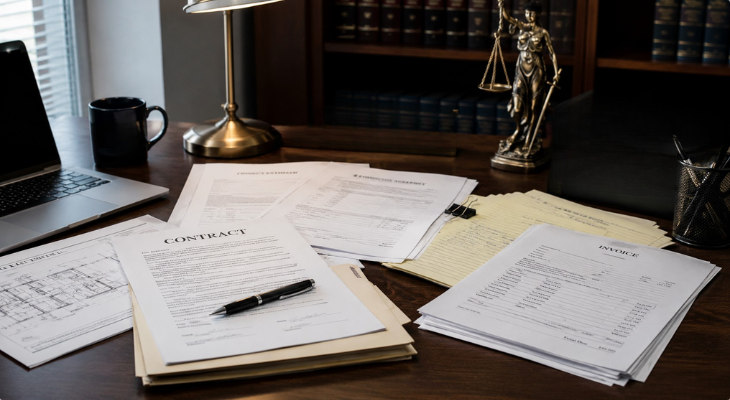
Contractor fraud investigations often involve far more paperwork than other criminal allegations. Investigators may examine months of records to understand what happened between the parties involved.Written agreements usually become central evidence. Investigators often review contracts, deposit terms, payment schedules, invoices, and project estimates to understand how the relationship developed over time.Communication records also become important in many Alberta fraud investigations. Emails, text messages, project updates, photographs, and online conversations may all become part of the evidence reviewed by police.Financial records often receive close attention as well. Investigators may examine supplier payments, bank transfers, material purchases, and payment histories to determine whether funds were used consistently with the original agreement.The Difference Between Poor Workmanship And Criminal Fraud
One of the biggest misunderstandings in Alberta contractor fraud cases involves the difference between unsatisfactory work and criminal conduct.Not every failed construction project becomes fraud.Projects can experience labour shortages, supplier delays, permit complications, weather disruptions, or budgeting problems. Those situations alone do not automatically establish criminal wrongdoing.Criminal fraud investigations usually focus heavily on alleged intent. Prosecutors must still prove dishonesty beyond a reasonable doubt before a conviction can occur.The Government of Canada explains that accused individuals remain protected under the Canadian Charter during criminal proceedings.Because construction disputes often involve business disagreements, investigators must carefully assess whether the situation involves criminal conduct or a contractual dispute that escalated.